The Complete Butchery Resource,
Accessible to Everyone
Your complete resource for mastering butchery — from knife techniques and cutting methods to whole-animal fabrication. Written by Elena Vasquez — Master butcher with 20 years of experience in whole-animal butchery.
Featured Guides
In-depth articles on beef cuts, grading, and preparation — written from decades of hands-on experience.

How to Cut Beef Short Ribs: English-Cut vs Flanken-Cut Techniques
Short ribs are one of the most versatile and flavorful cuts in the beef carcass, but how you cut them determines their final use. The difference between English-cut and flanken-cut comes down to knife angle and intended cooking method.
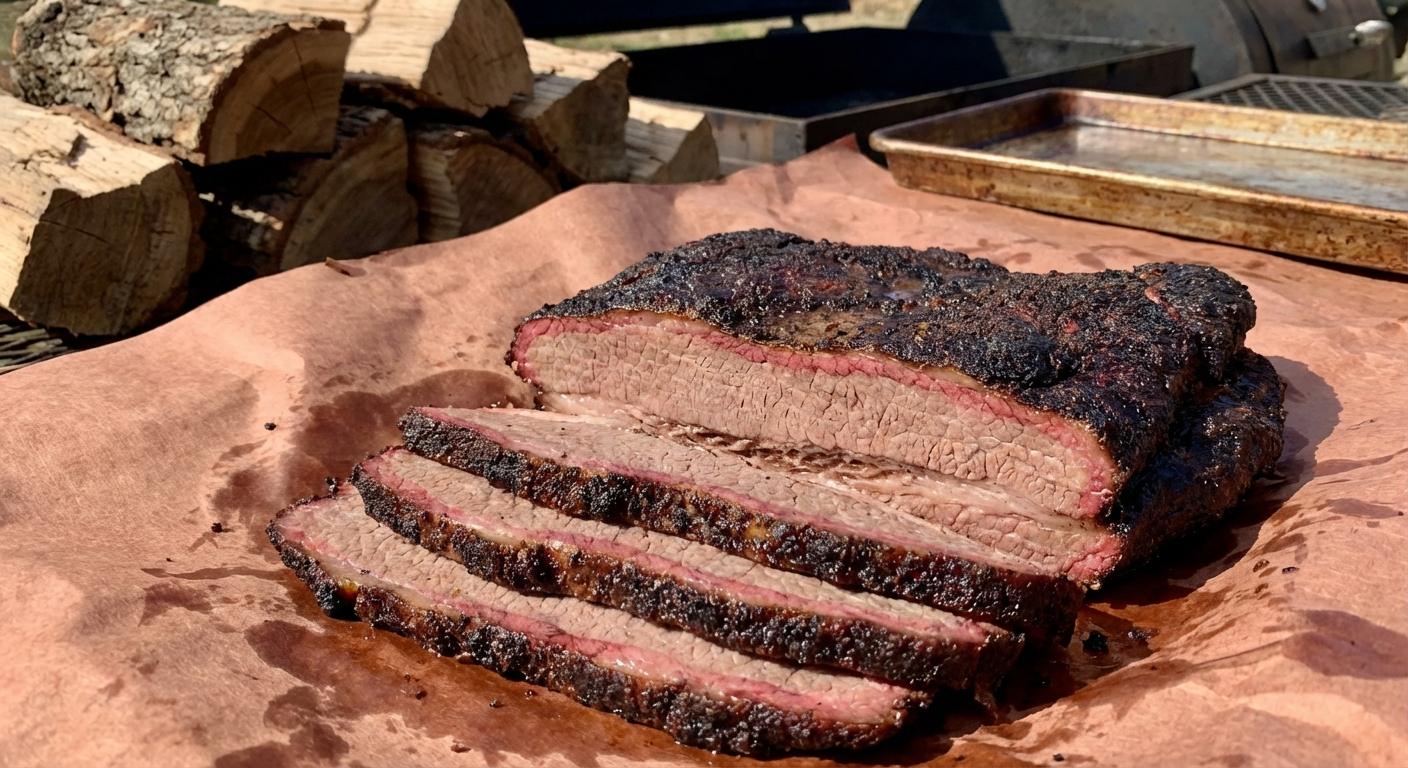
How to Trim a Brisket: The Complete Butcher's Guide
Proper brisket trimming is the difference between a backyard experiment and competition-quality results. Here is the professional technique for shaping a whole packer brisket before it ever touches the smoker.
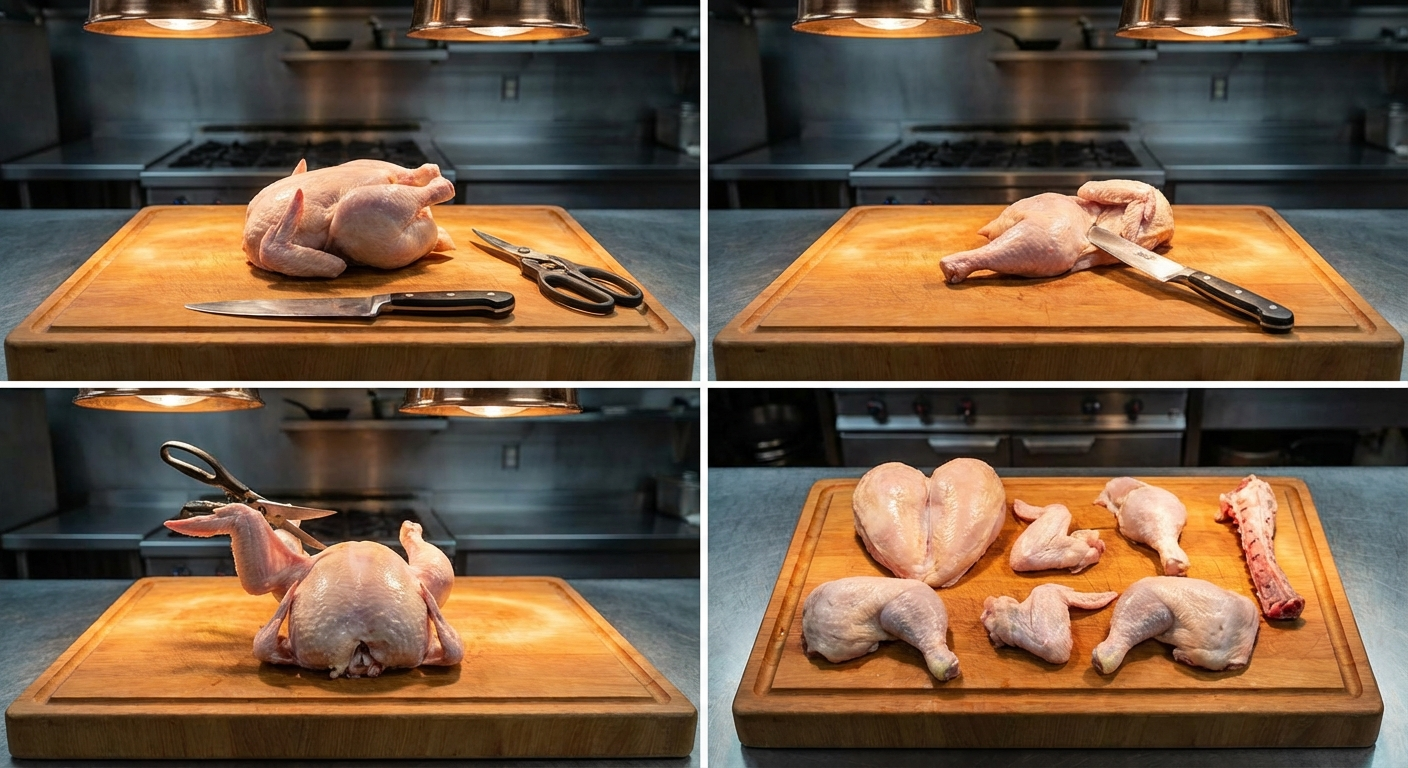
How to Butcher a Whole Chicken: Step-by-Step Guide
Breaking down a whole chicken yourself saves 40-50% compared to buying individual parts. Here is the professional technique for turning one bird into perfectly portioned pieces.
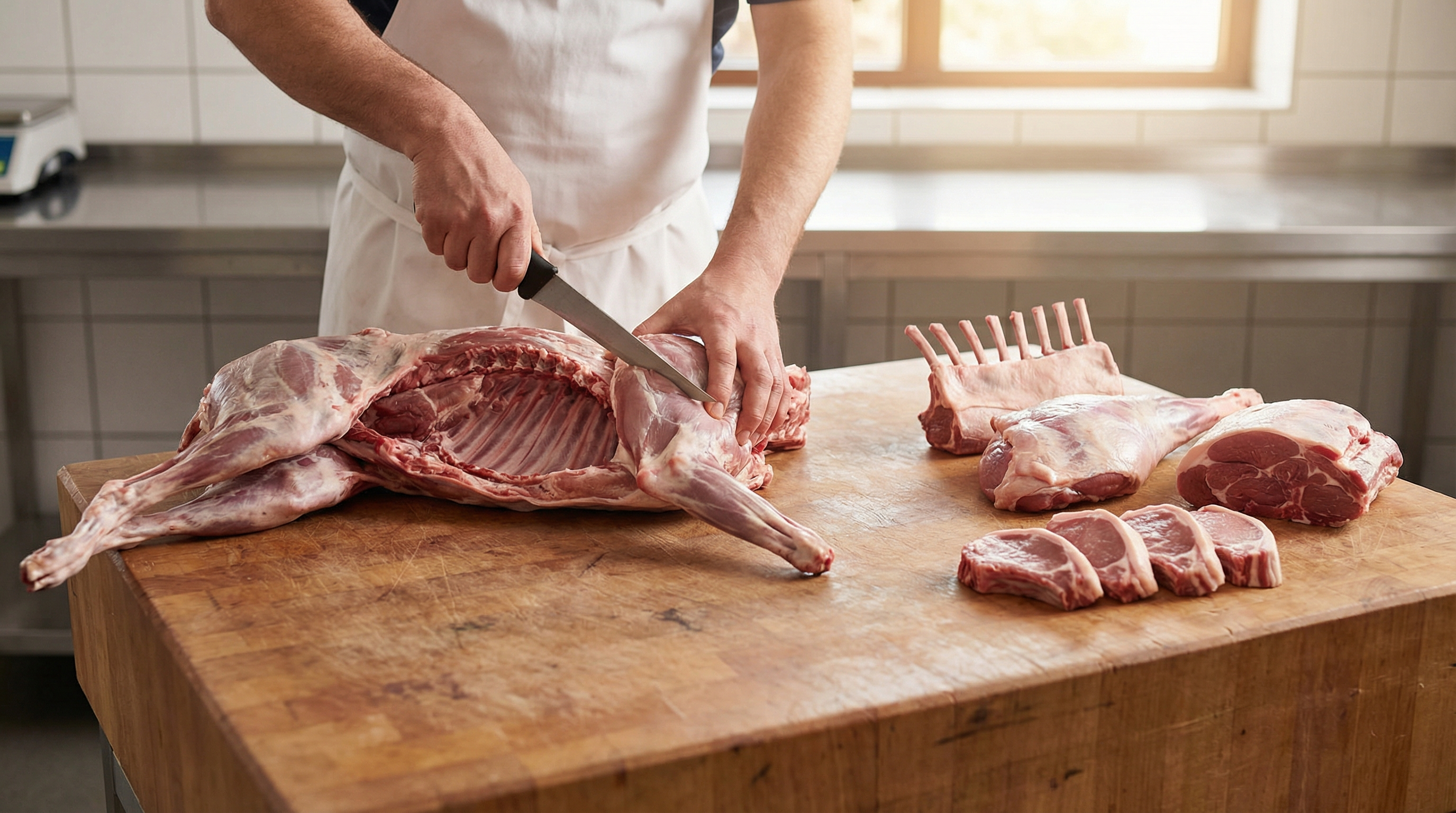
How to Break Down a Whole Lamb: Complete Butchery Guide
Breaking down a whole lamb is one of the most rewarding skills in home butchery. Smaller and more manageable than beef, lamb is the ideal animal for learning whole-carcass fabrication.
About Elena Vasquez
Master butcher trained in Argentina and Spain with 20 years of experience in whole-animal butchery. I blend traditional South American precision with refined European methodology to share the art of butchery with home cooks and professionals alike.
Read My StoryAll Expert Guides
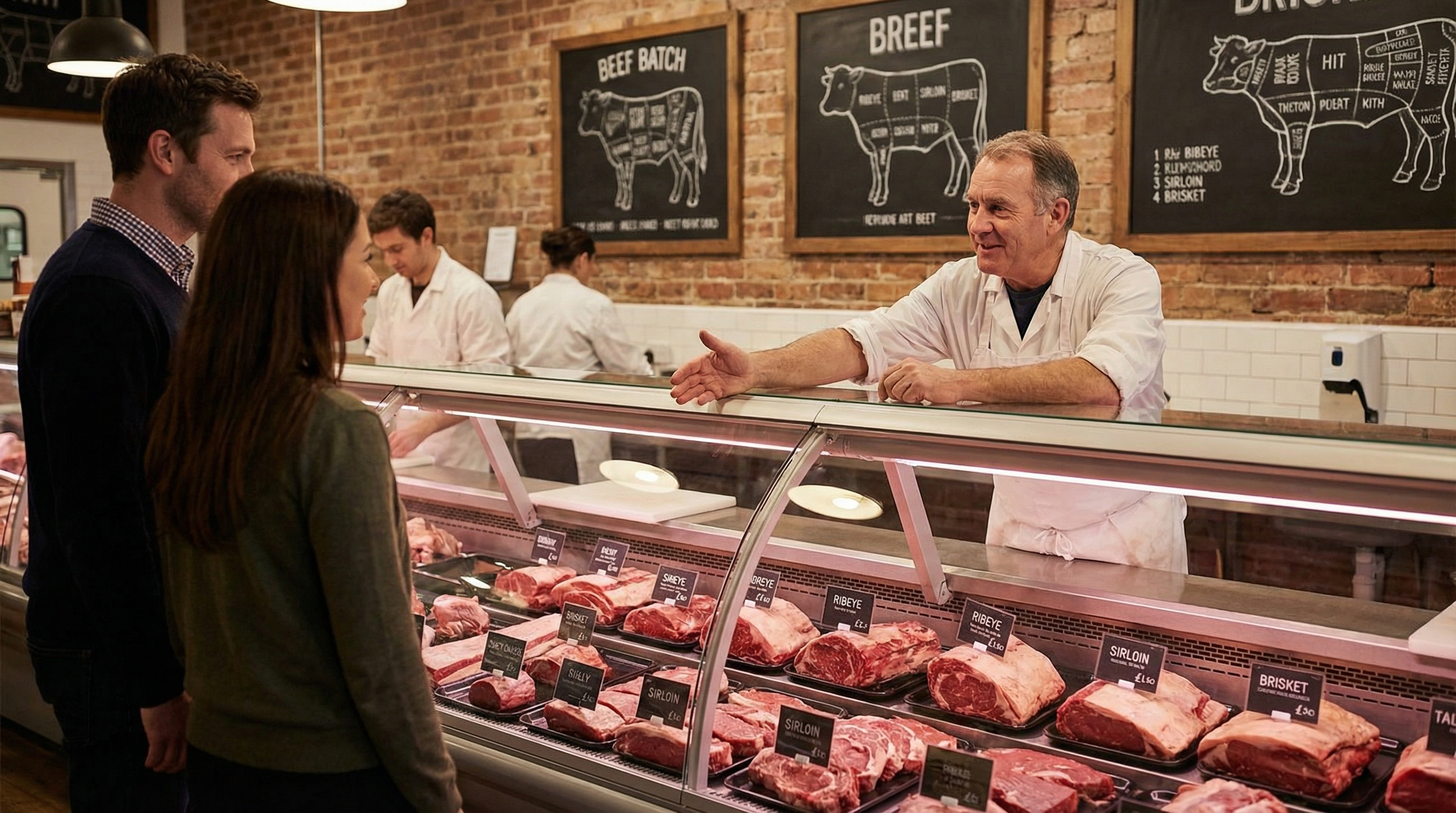
Butcher Terms Explained: What to Ask For at the Meat Counter
Stop guessing at the meat counter. This practical guide decodes essential butcher terms so you can confidently request exactly what you need, explained with real-world examples from 15 years behind the block.
Butcher Terms Glossary: 50+ Essential Meat Cutting Terms Every Home Cook Should Know
Master the language of professional butchery with this comprehensive glossary. Learn 50+ essential butcher terms, from primal cuts to seam butchery, explained by Elena Vasquez.
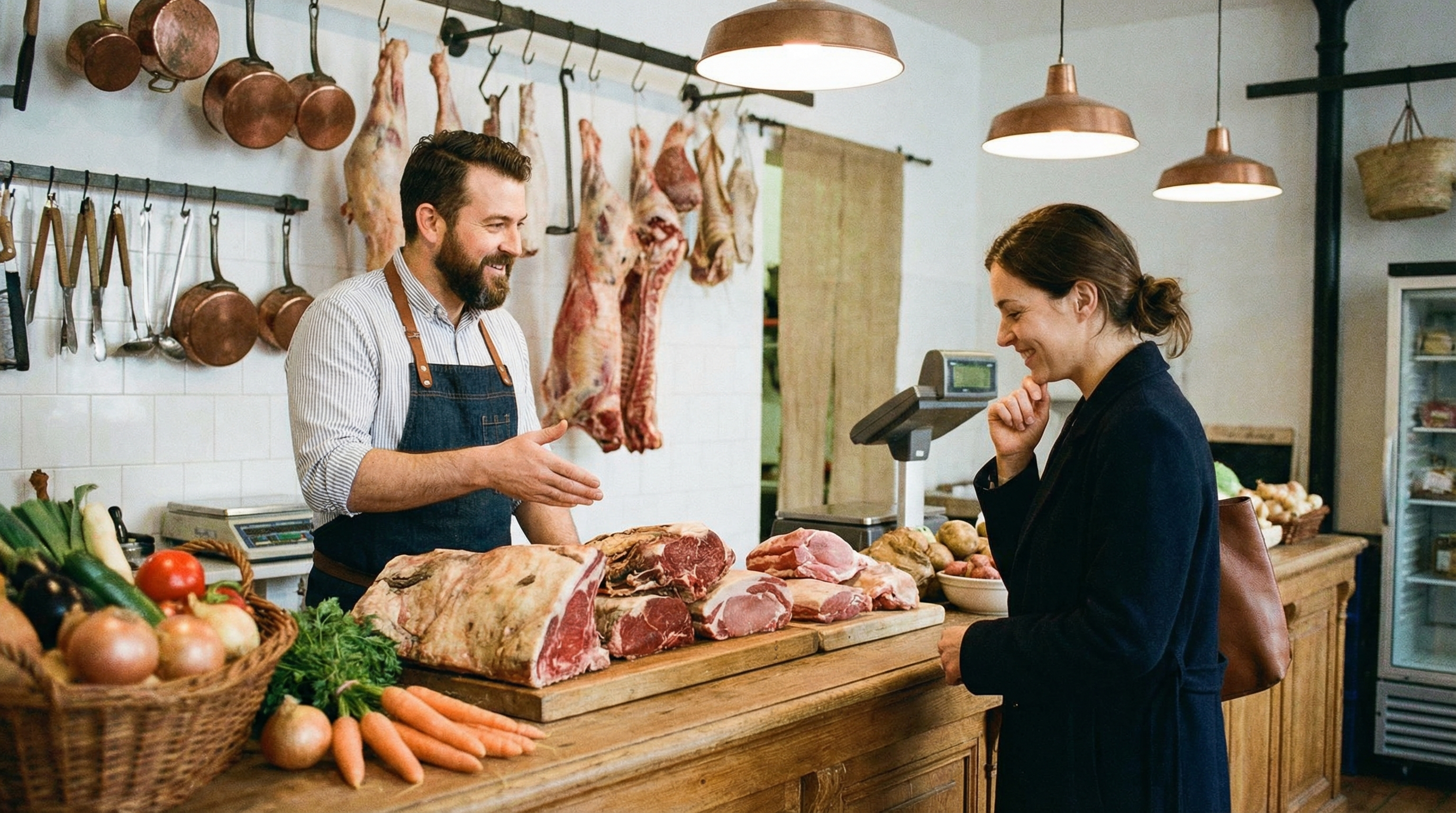
Butcher Shop Slang: What Your Butcher Really Means When They Talk Shop
Walk into a butcher shop and you will hear phrases like "break it down," "clean it up," or "two-finger thick." Here is what your butcher really means — and how to speak the language like a pro.
How to Cut Beef Short Ribs: English-Cut vs Flanken-Cut Techniques
Short ribs are one of the most versatile and flavorful cuts in the beef carcass, but how you cut them determines their final use. The difference between English-cut and flanken-cut comes down to knife angle and intended cooking method.
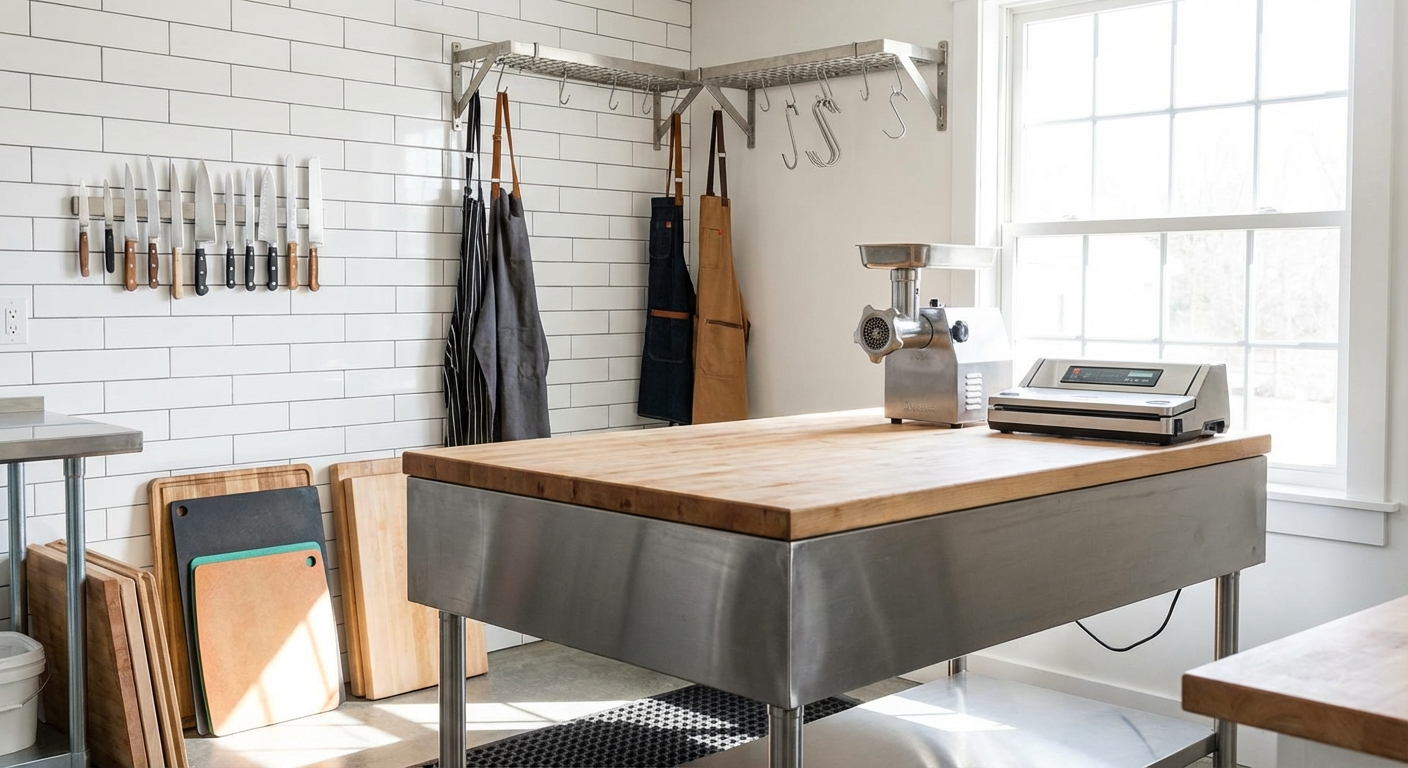
How to Set Up a Home Butcher Shop: Complete Space, Equipment & Workflow Guide
Setting up a dedicated home butcher shop transforms meat processing from a messy kitchen chore into efficient, professional-quality work. Here is everything you need to design your space, choose equipment, and establish safe workflows.
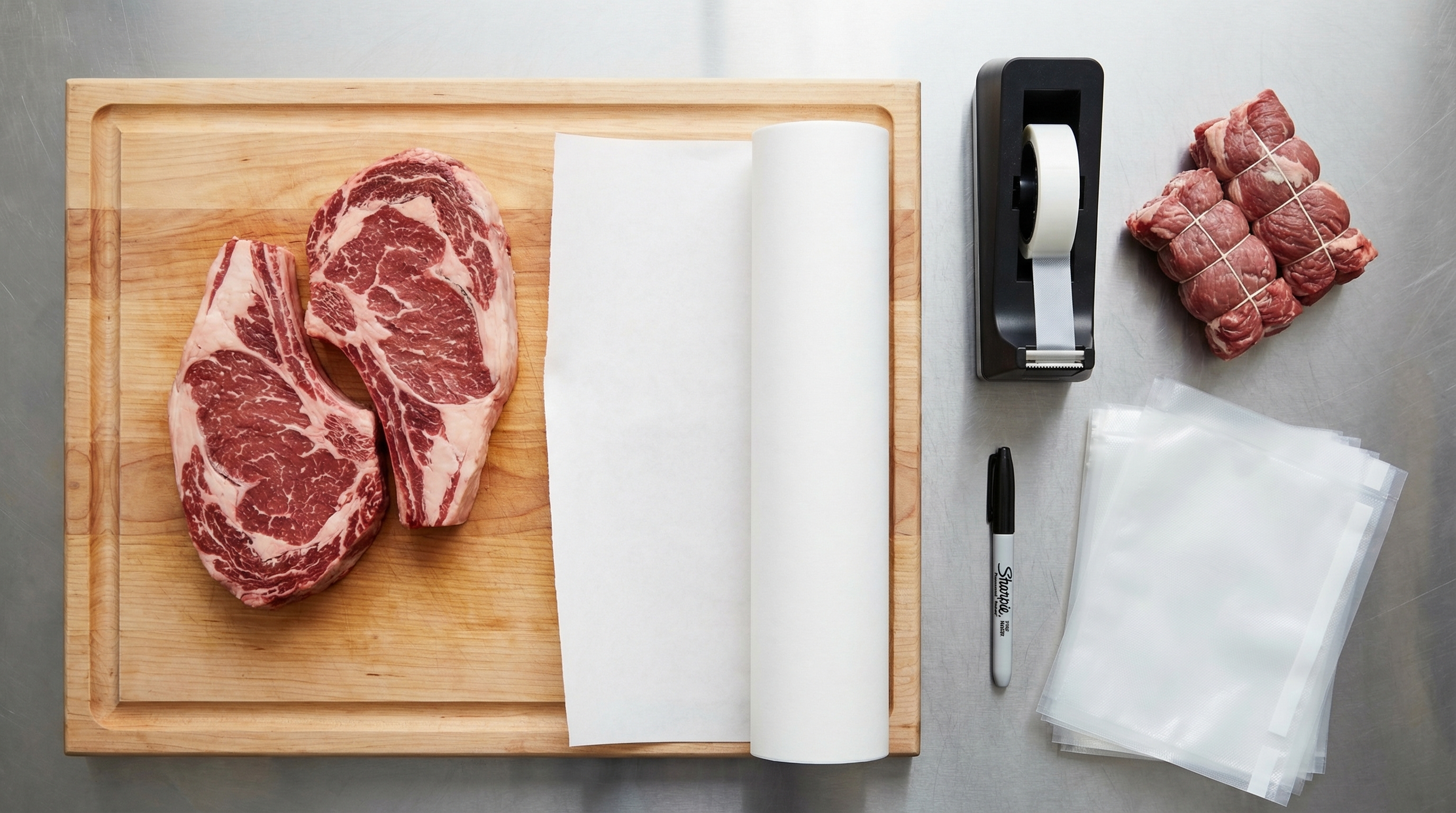
How to Wrap and Package Meat Like a Professional Butcher
Proper meat wrapping is just as important as proper cutting. A perfectly trimmed ribeye or pork chop loses quality fast if wrapped poorly. After three decades wrapping thousands of pounds of meat, I can tell you: technique matters more than materials.
Meat Glossary
30 terms defined by an expert — from primal cuts to wagyu grading.
From the Blog
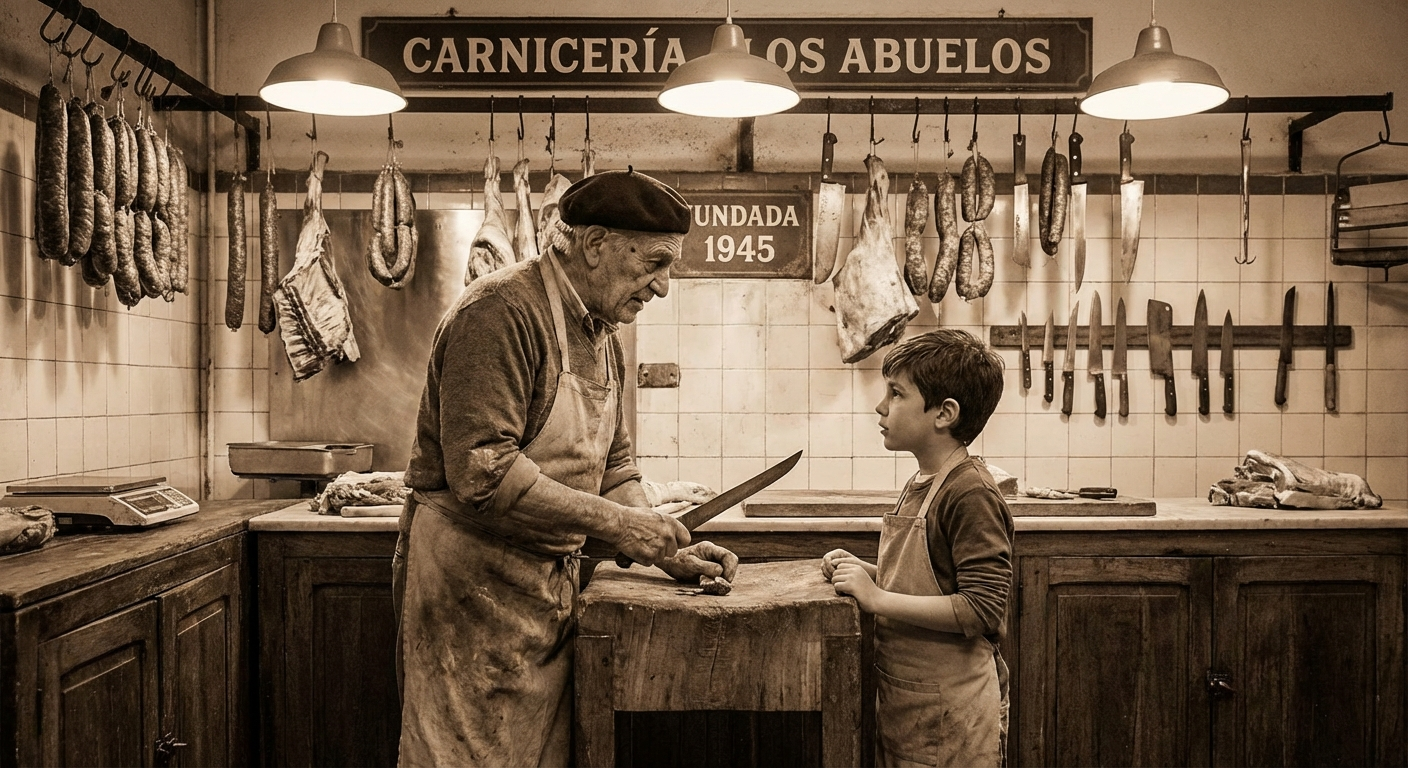
What My Argentine Grandfather Taught Me About Knives
In my grandfather's <em>carnicería</em> in Buenos Aires, I learned that a knife is not just a tool but an extension of the butcher's skill and respect for the craft.
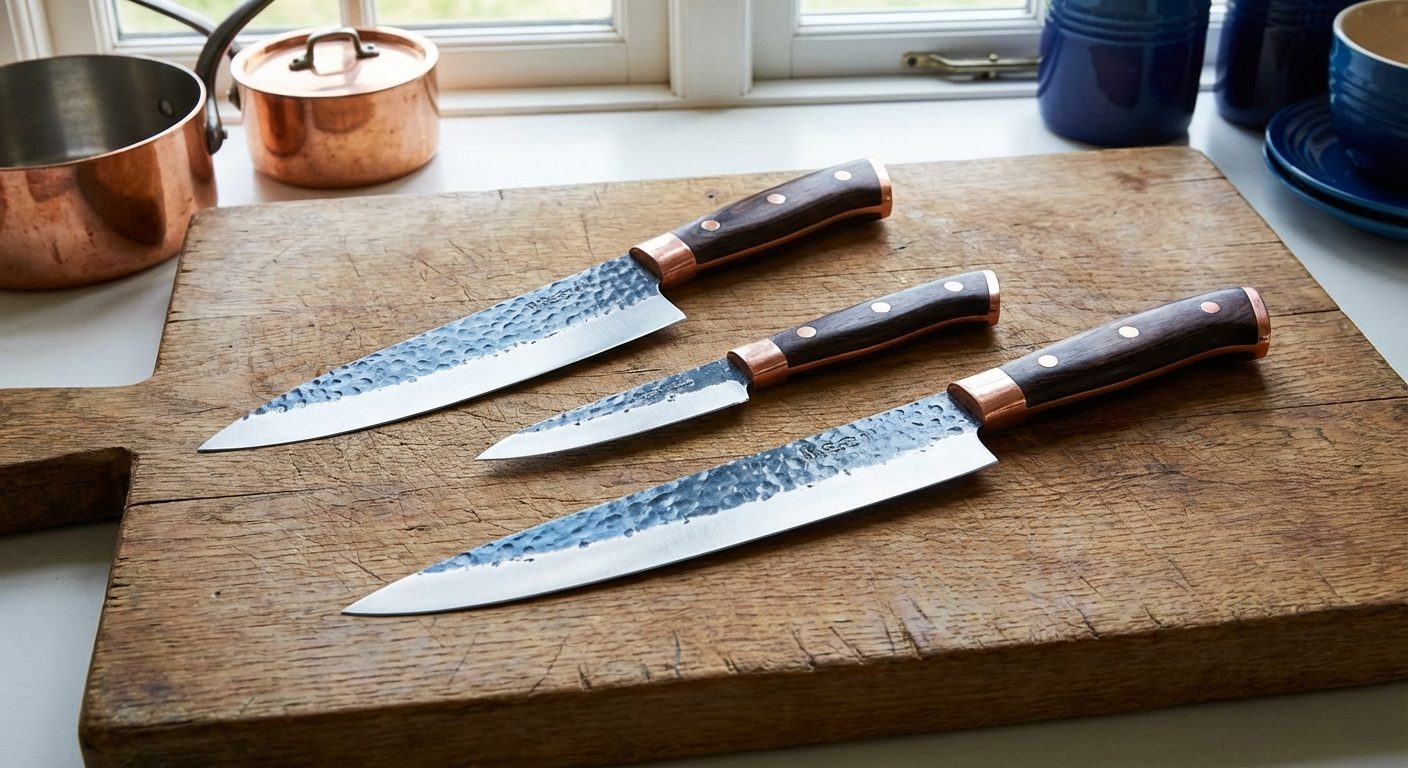
The 3 Knives Every Home Cook Actually Needs
Forget the knife block sets — a master butcher reveals the three essential knives that will serve every home cook's needs effectively.
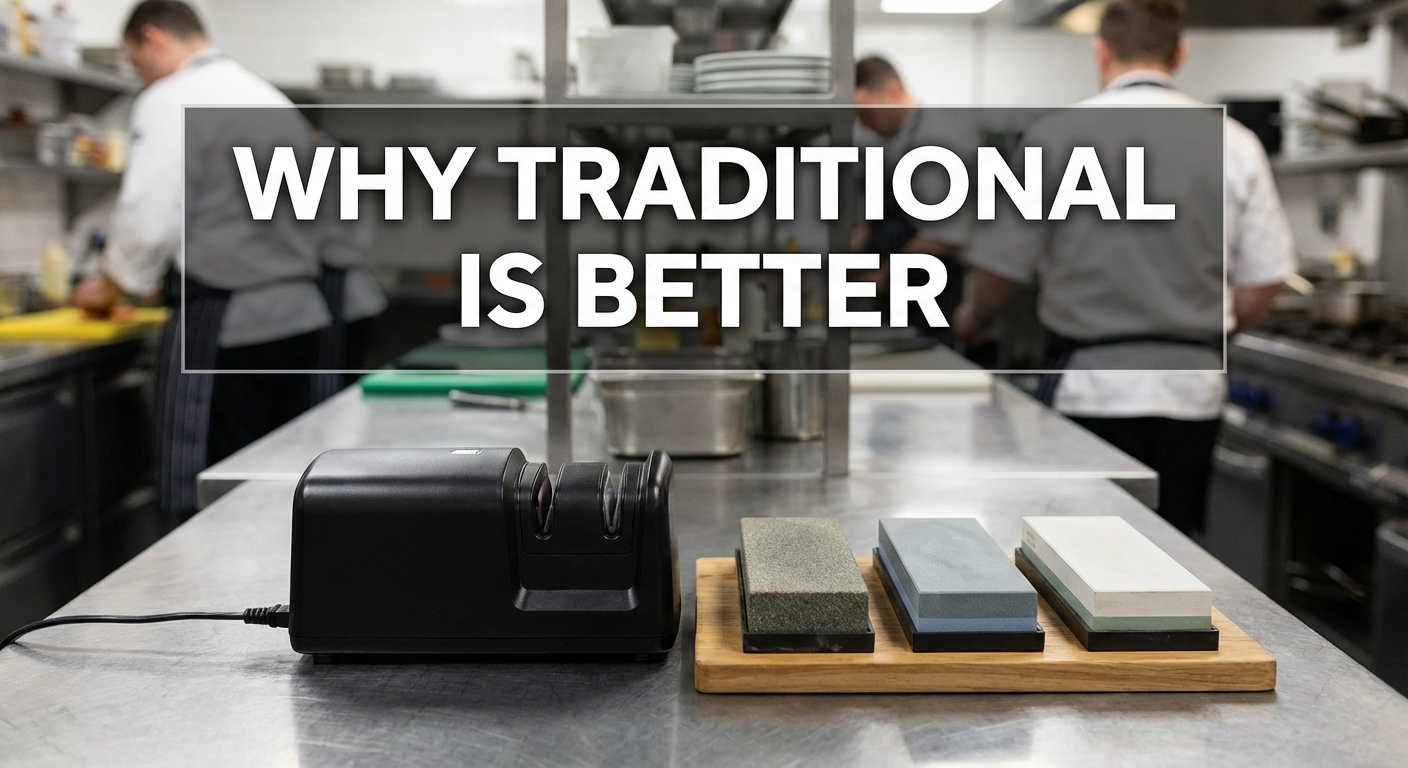
Why I Refuse to Use Electric Knife Sharpeners
A master butcher explains why electric sharpeners damage knives and compromise edge quality compared to traditional sharpening methods.