How to Butterfly Meat: The Complete Technique Guide for Every Cut
How to Butterfly Meat: The Complete Technique Guide for Every Cut
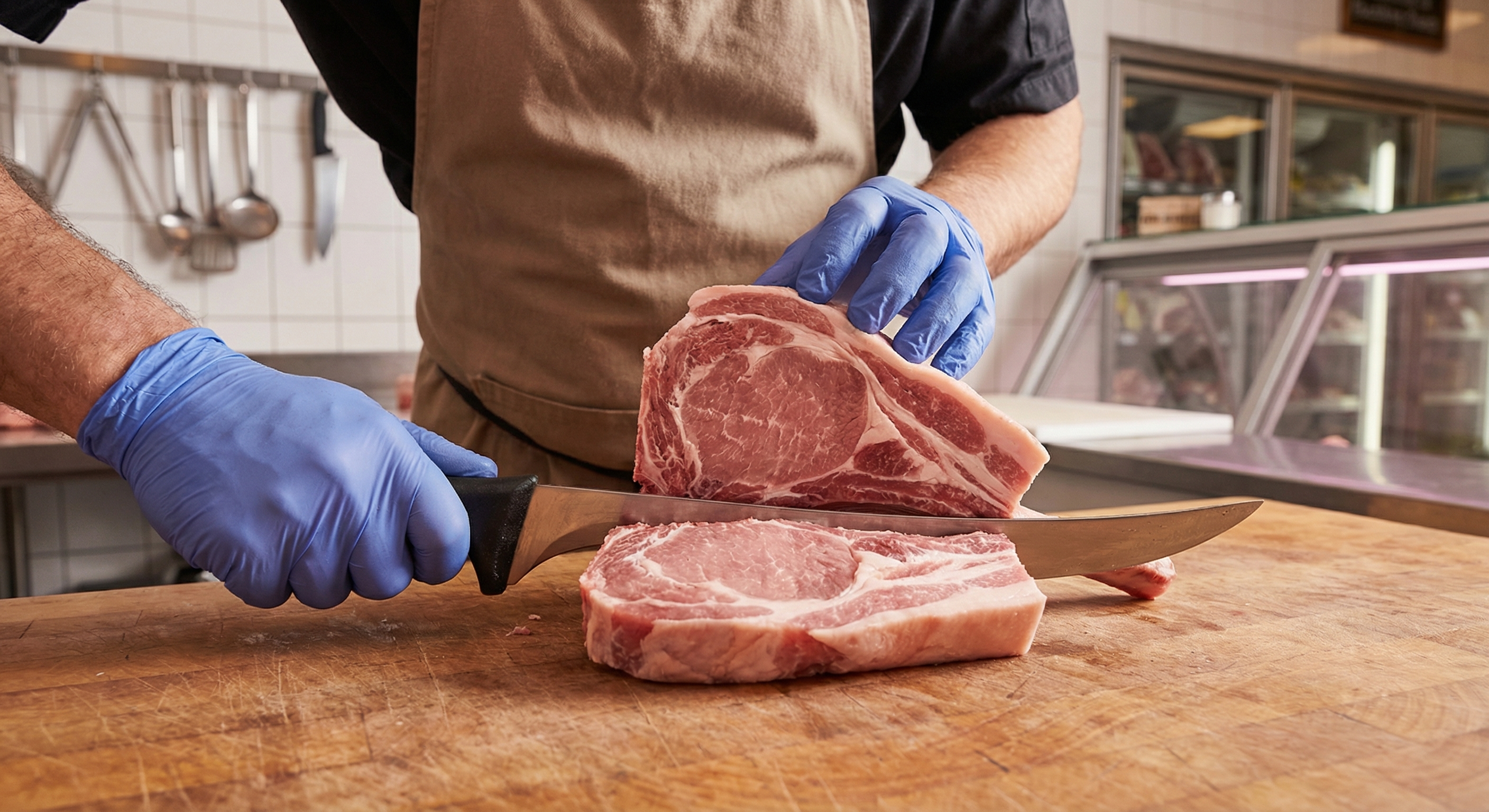
Butterflying is one of those techniques that separates a confident home cook from someone who just follows package directions. The concept is simple — you slice a thick piece of meat horizontally, almost all the way through, then open it like a book — but the applications are enormous. It is how you turn a two-inch pork chop into a stuffable pocket, how you get a chicken breast to cook evenly on the grill, and how you transform a thick roast into a flat, rollable sheet for a roulade.
I have butterflied thousands of cuts over three decades behind the block. It is a technique every butcher learns early because it solves a fundamental problem: thick, uneven pieces of meat cook unevenly. The outside overcooks before the center reaches temperature. Butterflying fixes that by creating uniform thickness, which means uniform heat penetration and uniform doneness.
This guide covers the technique for every major protein — chicken, pork, beef, and lamb — with specific tips for each cut. Whether you are building your knife skills or just want tonight's dinner to cook better, this is the technique to learn.
What Butterflying Actually Means
Butterflying means cutting a piece of meat horizontally through its thickest section, stopping just before you cut all the way through, then opening the two halves so the piece lies flat. The name comes from the finished shape — the two sides spread out like butterfly wings, connected by a thin hinge of meat along one edge.
The technique serves several purposes:
- Even thickness. A butterflied piece is roughly half as thick as the original, which means faster and more even cooking.
- Stuffing. The opened surface creates a pocket or flat sheet you can fill with stuffing, cheese, vegetables, or seasoning before rolling and tying.
- Larger surface area. More surface means more seasoning contact and more crust development during searing or grilling.
- Faster cooking. Halving the thickness can cut cooking time by 30–40 percent, which matters on a weeknight or when grilling at high heat.
Butterflying is different from splitting. When you split a cut, you cut all the way through to make two separate pieces. A butterflied piece stays connected. That hinge is important — it holds the piece together for stuffing, rolling, and presentation.
Tools and Setup
You do not need specialized equipment to butterfly meat. Three things matter:
- A sharp boning knife or chef's knife. The blade should be thin enough for precise horizontal cuts. A boning knife with a 5–6 inch blade is ideal because the narrow profile follows the cut line easily. A chef's knife works for larger cuts like pork loins.
- A stable cutting surface. Use a large cutting board that will not slide. Place a damp towel underneath if needed.
- A dry, cold piece of meat. Pat the surface dry with paper towels before cutting. Wet meat is slippery and hard to control. Cold meat (straight from the fridge) is firmer and easier to cut precisely than room-temperature meat.
Sharpness matters more here than with most cuts. You are making a long horizontal slice where the knife needs to glide smoothly. A dull blade will tear rather than cut, leaving you with an uneven surface and a jagged hinge. If your knife catches or drags, sharpen it before you start.
How to Butterfly a Chicken Breast
Chicken breast is the most common cut people butterfly, and for good reason. A typical boneless, skinless breast is thick on one side and thin on the other. That uneven shape means the thin end dries out while the thick end is still undercooked. Butterflying solves this completely.
Step-by-Step
- Place the breast flat on your board, smooth side up, with the thickest edge facing your knife hand.
- Place your non-cutting hand flat on top of the breast to stabilize it. Spread your fingers wide and press down gently — you want control, not compression.
- Insert your knife horizontally into the thickest edge, aiming to cut through the middle of the breast's height. Keep the blade parallel to the board.
- Slice inward with long, smooth strokes, pulling the knife toward the thin side. Use the full length of the blade rather than short sawing motions. Keep checking that you are cutting at the midpoint.
- Stop about half an inch from the opposite edge. This remaining strip of meat is your hinge.
- Open the breast like a book, pressing it gently flat. You should have an even, roughly half-inch-thick piece.
Pro tip: If the breast is very thick (over 1.5 inches), you can place it between two sheets of plastic wrap after butterflying and gently pound it with a meat mallet to equalize any remaining thick spots. Do not pound aggressively — you just want uniformity, not a paper-thin cutlet.
How to Butterfly a Pork Chop
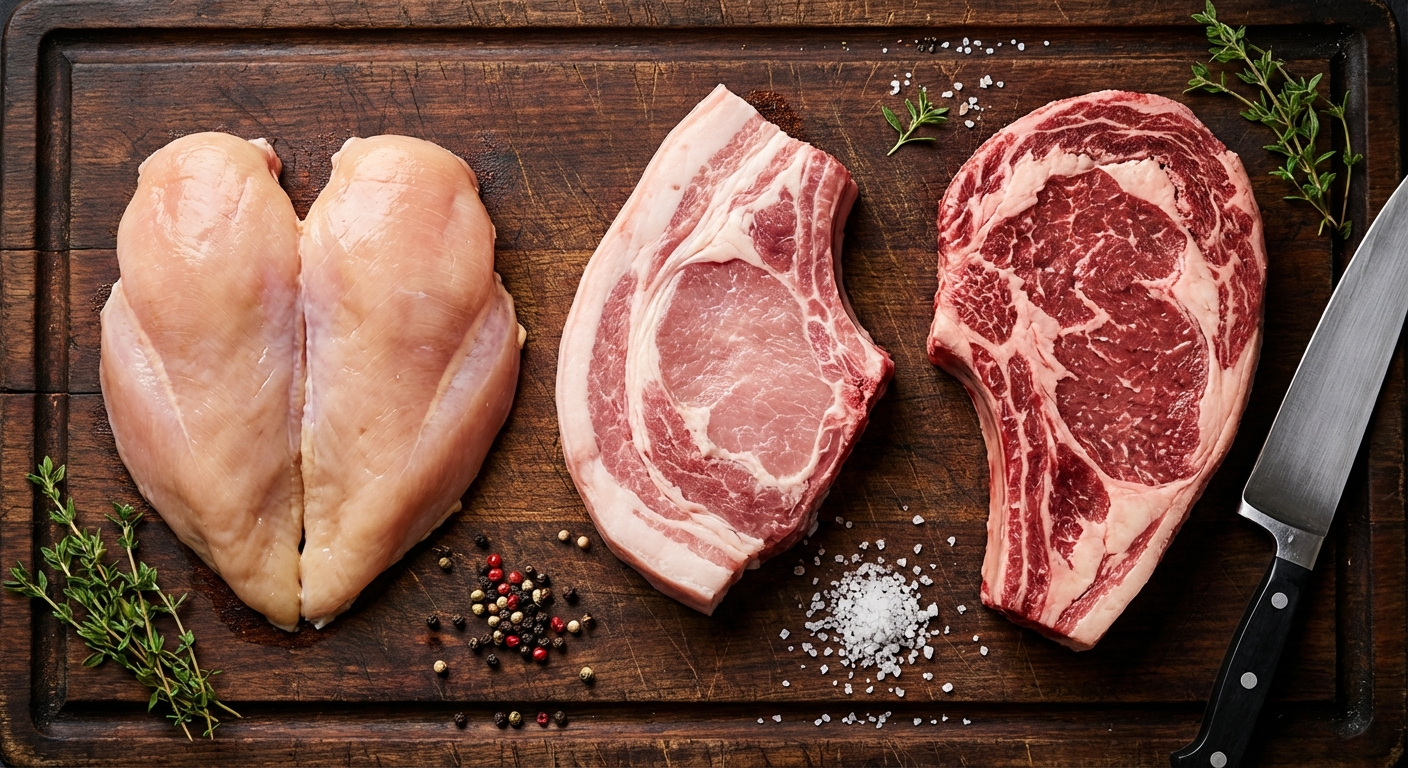
Butterflied pork chops are a classic for a reason. The opened chop creates a natural pocket for stuffing with apple and sage, spinach and cheese, or whatever your recipe calls for. You want bone-in, thick-cut chops for this — at least 1.5 inches thick.
Step-by-Step
- Stand the chop on the board with the bone pointing up and the fat cap facing away from you.
- Insert your knife into the meaty side, opposite the bone, cutting horizontally toward the bone. Your knife should enter at the midpoint of the chop's thickness.
- Cut inward until you reach the bone. The bone acts as a natural stop — you cannot overcut. Work in smooth strokes, keeping the blade parallel to the board.
- Open the chop by folding the top half over, using the bone side as the hinge. Press gently to flatten.
For boneless chops, follow the same chicken breast technique: cut horizontally from the thickest edge, stop half an inch from the opposite side, and open flat.
Stuffing tip: Season the inside surfaces before adding stuffing. The meat that was in the interior has no seasoning, and this is your only chance to get salt onto those surfaces. A light rub of salt, pepper, and garlic powder on the opened faces makes a significant difference.
How to Butterfly a Pork Loin or Tenderloin
Butterflying a whole pork loin or tenderloin transforms a cylindrical roast into a flat sheet, perfect for rolling into a stuffed roulade. This is a more advanced application because you may need to make multiple cuts to create an even rectangle.
Pork Tenderloin
- Remove the silverskin first. Slide your boning knife under the silverskin at the narrow end, angle the blade slightly upward, and pull the membrane away in strips.
- Make your first butterfly cut along the length of the tenderloin, cutting into the thickest side. Stop half an inch from the other side.
- Open it flat. If the resulting sheet is still uneven, you can make a second butterfly cut on the thicker half, opening it again to create a wider, thinner sheet.
- Pound gently between plastic wrap to even out any remaining thick spots.
Pork Loin
A full pork loin is thicker than a tenderloin and may require a spiral cut rather than a simple butterfly. Place the loin on your board and cut horizontally into one side, about an inch from the bottom. As you cut, slowly roll the loin away from you, continuing to cut at the same depth. This unrolls the loin into a flat rectangular sheet — sometimes called a jelly roll cut. It takes practice, but the result is a large, even sheet perfect for pinwheels and roulades.
How to Butterfly a Steak
Butterflying steaks is less common than butterflying poultry or pork, but it is useful in specific situations. A very thick filet mignon (2+ inches) can be butterflied to create a thinner steak that sears quickly on a hot grill. Thick ribeye or strip steaks can be butterflied for stuffing or to reduce cooking time.
Step-by-Step
- Chill the steak in the refrigerator for 20–30 minutes. Cold beef is firmer and gives you better control.
- Place the steak flat with the thickest edge toward your knife hand.
- Cut horizontally through the center of the steak, using long, smooth strokes. Keep the blade parallel to the board and your non-cutting hand flat on top for stability.
- Stop half an inch from the opposite edge and open the steak flat.
When to butterfly steak: This works best for cuts that are at least 1.5 inches thick. Thinner steaks do not benefit — they will overcook when butterflied. Filet mignon and thick-cut New York strip are the best candidates. Avoid butterflying bone-in steaks like T-bones or porterhouses, where the bone makes horizontal cutting impractical.
How to Butterfly a Leg of Lamb
A butterflied leg of lamb is one of the best grilling cuts there is. By removing the bone and opening the leg flat, you create an irregularly shaped but manageable piece that grills beautifully over direct heat. The varying thickness actually works in your favor — thinner sections cook to well-done while thicker areas stay medium or medium-rare, giving your guests a choice.
Step-by-Step
- Debone the leg first. Follow the femur bone with your boning knife, cutting the meat away from all sides. Remove the bone completely. Remove the kneecap and any small bones at the shank end.
- Open the leg flat on your cutting board, inside facing up. You will see several distinct muscles of varying thickness.
- Make butterfly cuts in the thickest sections. Any area thicker than 2 inches should be cut horizontally and opened to reduce thickness. You may need 2–3 butterfly cuts in different thick spots.
- Pound gently to even out the overall thickness to roughly 1.5–2 inches throughout.
- Score the surface lightly in a crosshatch pattern to help marinades penetrate. Lamb takes well to garlic, rosemary, lemon, and olive oil.
A butterflied leg of lamb typically weighs 4–6 pounds and takes 20–30 minutes over medium-high heat on a grill, compared to 2+ hours for a bone-in roasted leg. That speed advantage, combined with the smoky char from direct grilling, makes this one of the best ways to prepare lamb for a crowd.
Common Mistakes and How to Avoid Them
After teaching this technique to dozens of apprentices and home cooks, these are the mistakes I see most often:
- Cutting too fast. This is a precision cut, not a power cut. Slow, controlled strokes give you an even result. Rushing leads to cutting through the hinge or creating thick and thin spots.
- Dull knife. A dull blade tears muscle fibers instead of slicing cleanly. The torn surface does not sear as well and the ragged hinge is more likely to separate during cooking.
- Not stabilizing the meat. Your non-cutting hand should be flat on top of the meat, pressing down gently to keep it from moving or rocking as you cut. If your hand is not on the meat, it will shift and your cut will be uneven.
- Cutting all the way through. The hinge is what makes butterflying different from splitting. Leave at least a quarter inch of connected meat. If you accidentally cut through, you can still cook the two halves — you just lose the stuffing pocket and presentation value.
- Trying to butterfly thin cuts. Anything under 1.25 inches thick is too thin to butterfly effectively. You will end up with two paper-thin pieces that overcook instantly. If your cut is already thin, just pound it to even thickness instead.
Cooking Butterflied Meat
The whole point of butterflying is better cooking, so here are the key principles:
- Higher heat, shorter time. Butterflied cuts are thinner, so they cook faster. Adjust your heat and timing accordingly. A butterflied chicken breast takes 3–4 minutes per side on a hot grill instead of 6–8 minutes for an intact breast.
- Season both sides. The newly exposed interior surface needs seasoning. Salt both the original exterior and the freshly cut interior.
- Use a meat thermometer. The thinner profile means there is less margin for error. Check internal temperature at the thickest remaining point: 165°F for chicken, 145°F for pork, 130–135°F for medium-rare beef.
- Rest before slicing. Even though butterflied cuts cook faster, they still need 5–10 minutes of rest to redistribute juices. Tent loosely with foil.
For stuffed preparations, secure the rolled or folded meat with butcher's twine at 1-inch intervals. Toothpicks work for smaller items like stuffed pork chops, but twine gives better compression and a more uniform shape for even cooking.
FAQ
Frequently Asked Questions
What does it mean to butterfly meat?
Butterflying means cutting a thick piece of meat horizontally almost all the way through, then opening it like a book to create a thinner, more even piece. The two halves stay connected by a thin hinge of meat along one edge.
What knife is best for butterflying?
A sharp boning knife with a 5-6 inch blade is ideal for most butterflying tasks. The narrow, flexible blade follows the cut line easily. A chef knife works for larger cuts like pork loins. The key requirement is sharpness — a dull knife will tear rather than slice cleanly.
Can you butterfly a bone-in cut?
Yes, bone-in pork chops are commonly butterflied by cutting from the meaty side toward the bone. The bone acts as a natural stop. However, bone-in steaks like T-bones and porterhouses are not good candidates because the bone runs through the middle of the cut.
How thick should meat be before butterflying?
The cut should be at least 1.25 inches thick, ideally 1.5 inches or more. Thinner cuts do not benefit from butterflying and will result in pieces that are too thin to cook properly without overcooking.
More Expert Guides
Butcher Terms Explained: What to Ask For at the Meat Counter
Stop guessing at the meat counter. This practical guide decodes essential butcher terms so you can confidently request exactly what you need, explained with real-world examples from 15 years behind the block.
18 min readButcher Terms Glossary: 50+ Essential Meat Cutting Terms Every Home Cook Should Know
Master the language of professional butchery with this comprehensive glossary. Learn 50+ essential butcher terms, from primal cuts to seam butchery, explained by Elena Vasquez.
14 min readButcher Shop Slang: What Your Butcher Really Means When They Talk Shop
Walk into a butcher shop and you will hear phrases like "break it down," "clean it up," or "two-finger thick." Here is what your butcher really means — and how to speak the language like a pro.